March 9, 2026
A residential roof is one of the most critical components of a home’s structure. It protects against weather exposure, regulates indoor comfort, and safeguards the integrity of the entire building. While roofing materials are engineered for durability, their long-term performance depends heavily on proper installation, routine maintenance, and informed decision-making over time. Homeowners often focus on roofs only when leaks or visible damage occur, but consistent professional involvement plays a far greater role in preventing issues before they become costly problems.
Residential roofers provide specialized knowledge that goes beyond basic repairs. Their work supports not only the physical condition of the roof but also its ability to perform reliably year after year. From inspections and preventative maintenance to material selection and timely repairs, professional roofing services help homeowners extend roof lifespan, reduce unexpected expenses, and maintain property value. Understanding how these professionals contribute at each stage of a roof’s life cycle clarifies why ongoing care is essential for long-term roof performance.
Supporting Proper Installation From the Start
Long-term roof performance begins with proper installation. Even the highest-quality roofing materials can fail prematurely if they are not installed according to manufacturer specifications and local building codes. Residential roofers are trained to understand structural requirements, ventilation needs, and climate considerations that influence how a roof should be constructed. Their expertise ensures that every layer of the roofing system functions together as intended.
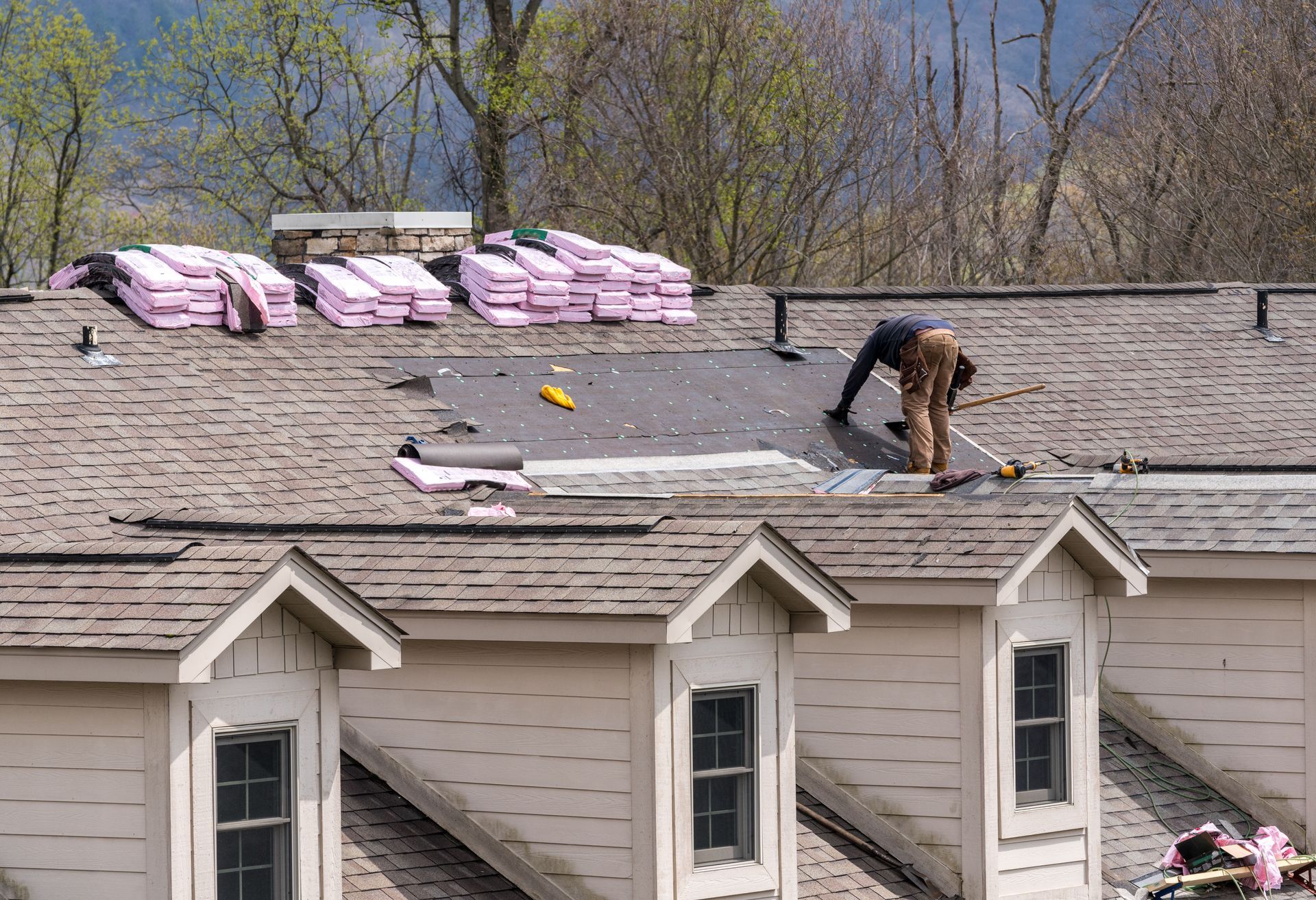
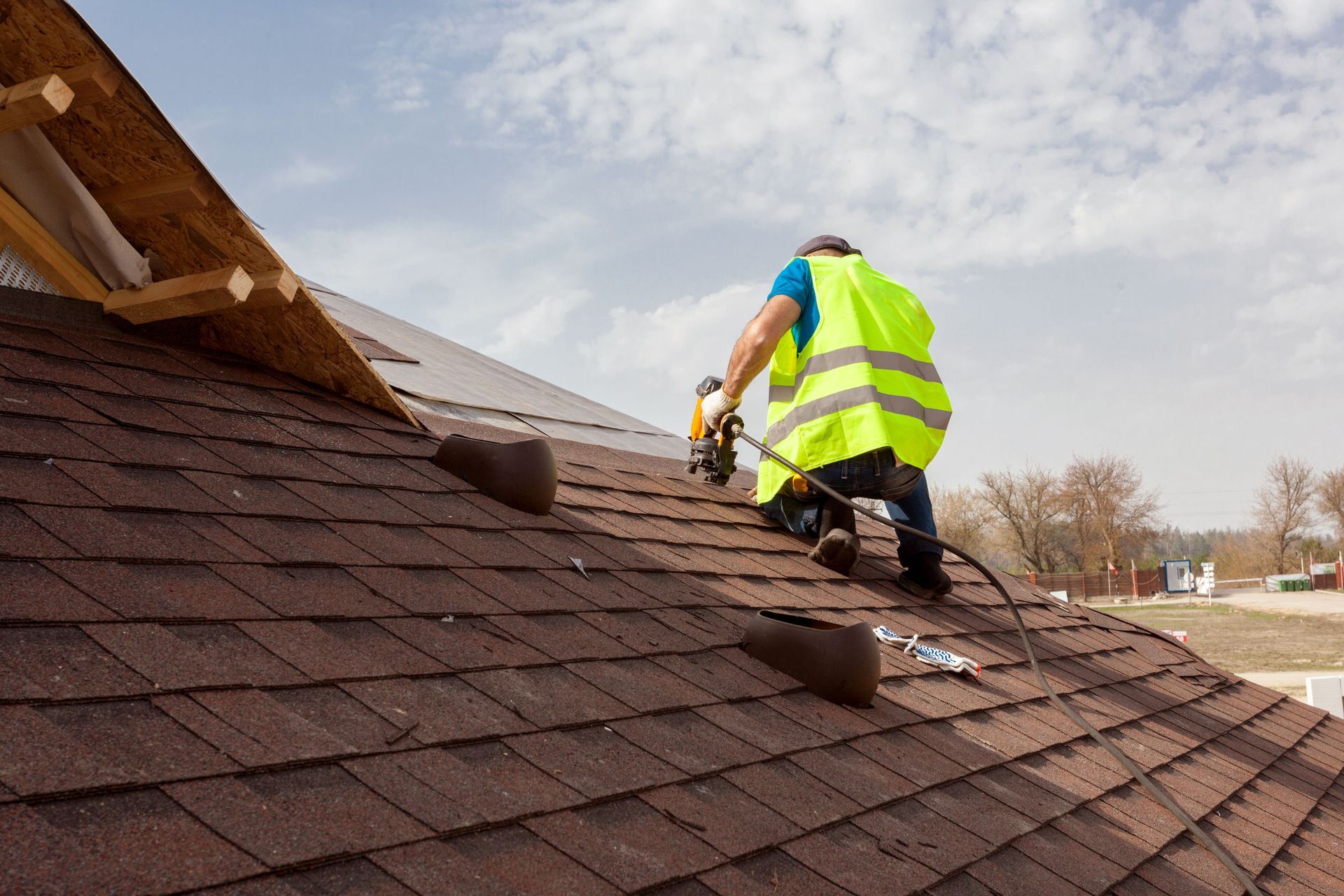
During installation, attention to details such as underlayment placement, flashing alignment, and fastening methods directly impacts durability. Residential roofers account for roof slope, load distribution, and water drainage patterns to prevent moisture intrusion and structural stress. A professionally installed roof is less likely to experience early shingle failure, leaks, or uneven wear, all of which can shorten its service life.
Proper installation also supports warranty compliance. Many manufacturers require certified installation to honor product warranties, making professional involvement a practical safeguard. By ensuring correct installation practices from the outset, homeowners establish a foundation for consistent roof performance over decades rather than years.
Conducting Routine Inspections to Identify Early Issues
Regular roof inspections are one of the most effective ways to preserve long-term performance. Over time, exposure to wind, rain, snow, heat, and debris gradually affects roofing materials. Residential roofers conduct inspections that identify subtle warning signs long before they become visible from the ground or inside the home.
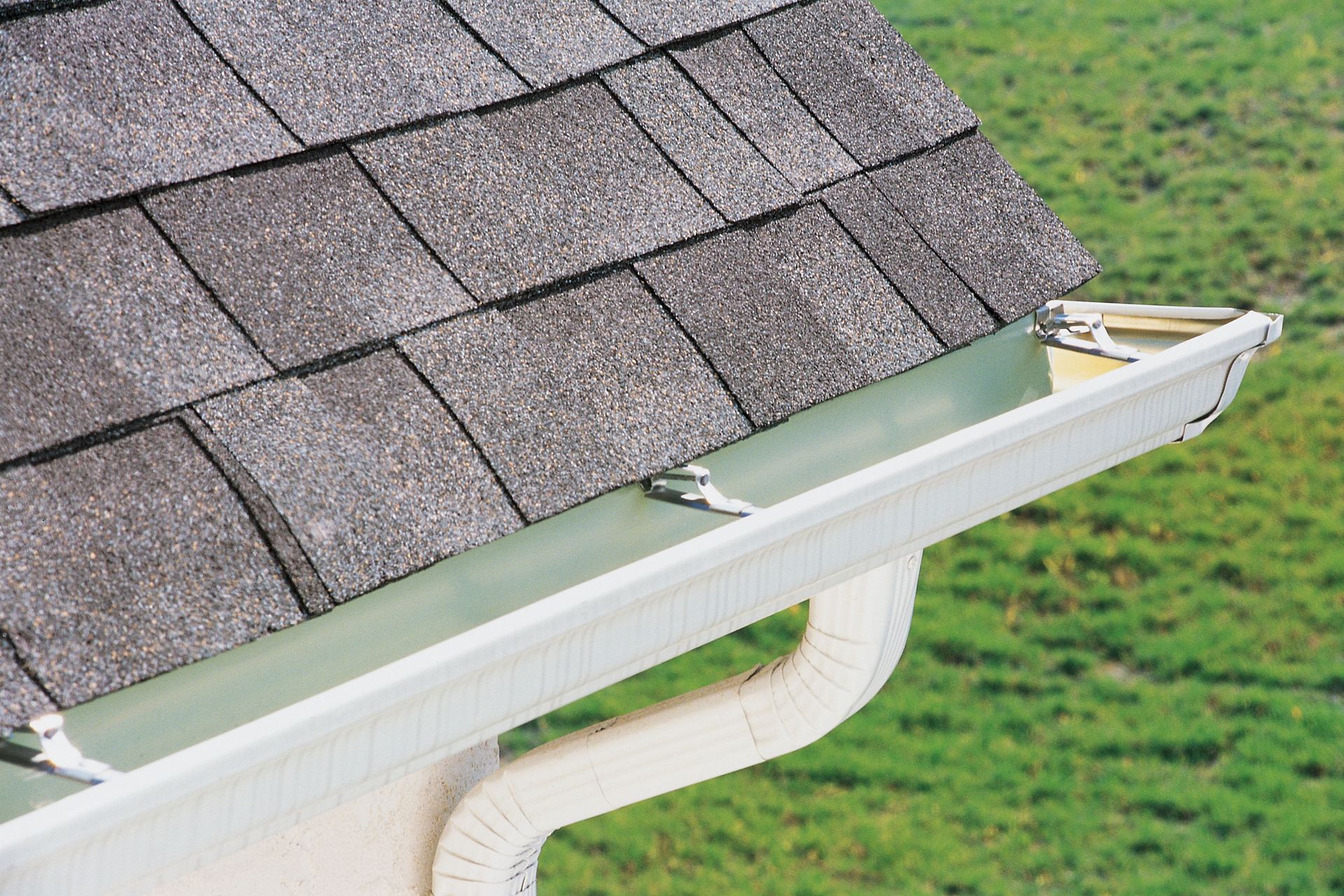
These inspections often include checking shingles for cracks or lifting, evaluating flashing around chimneys and vents, and assessing the condition of gutters and drainage systems. Small issues such as minor sealant failures or loose fasteners can be corrected quickly when detected early. Left unaddressed, however, these minor concerns may lead to water infiltration, insulation damage, or structural deterioration.
Professional inspections also provide homeowners with a realistic understanding of roof condition. Rather than guessing or relying on surface-level observations, homeowners gain accurate assessments that support informed maintenance decisions. Over time, consistent inspection schedules help residential roofers track changes and recommend timely interventions that preserve roof performance.
Performing Preventative Maintenance to Extend Roof Life
Preventative maintenance plays a significant role in extending the lifespan of a residential roof. While roofs are designed to withstand harsh conditions, routine care helps materials perform as intended throughout their service life. Residential roofers provide maintenance services that reduce wear and address vulnerabilities before they escalate.
Maintenance tasks may include clearing debris that traps moisture, resealing exposed fasteners, reinforcing flashing, and ensuring proper attic ventilation. These services support moisture control, which is one of the most critical factors in roof longevity. Poor ventilation and trapped moisture can lead to mold growth, wood rot, and premature shingle degradation.
According to Roofing Contractor Magazine, roofing services for single-family homes account for about 60% of the residential roofing market. This statistic reflects how common and necessary professional maintenance and repair services are for homeowners. Preventative care performed by residential roofers helps homeowners avoid emergency repairs and supports steady roof performance across changing seasons and weather conditions.
Addressing Repairs Before Damage Spreads
Timely repairs are essential to preventing isolated roofing problems from spreading into larger structural issues. Residential roofers are trained to diagnose the root cause of damage rather than treating symptoms alone. This approach ensures that repairs restore function rather than temporarily masking underlying concerns.
Common repair needs include replacing damaged shingles, repairing flashing, correcting drainage issues, and sealing leaks. When handled promptly, these repairs preserve the integrity of surrounding materials and prevent moisture from reaching insulation or framing. Delayed repairs, by contrast, often lead to more extensive damage that requires partial or full roof replacement.
Professional repair work also maintains uniform performance across the roof surface. Residential roofers ensure that replacement materials match existing roofing systems in compatibility and function, which helps maintain consistent weather resistance. Over time, this attention to detail prevents weak points that compromise long-term roof reliability.
Guiding Material Selection for Climate and Structure
Material selection significantly influences how well a roof performs over time. Residential roofers help homeowners choose materials that align with regional climate conditions, architectural design, and budget considerations. Different roofing materials respond differently to temperature fluctuations, moisture exposure, and UV radiation.
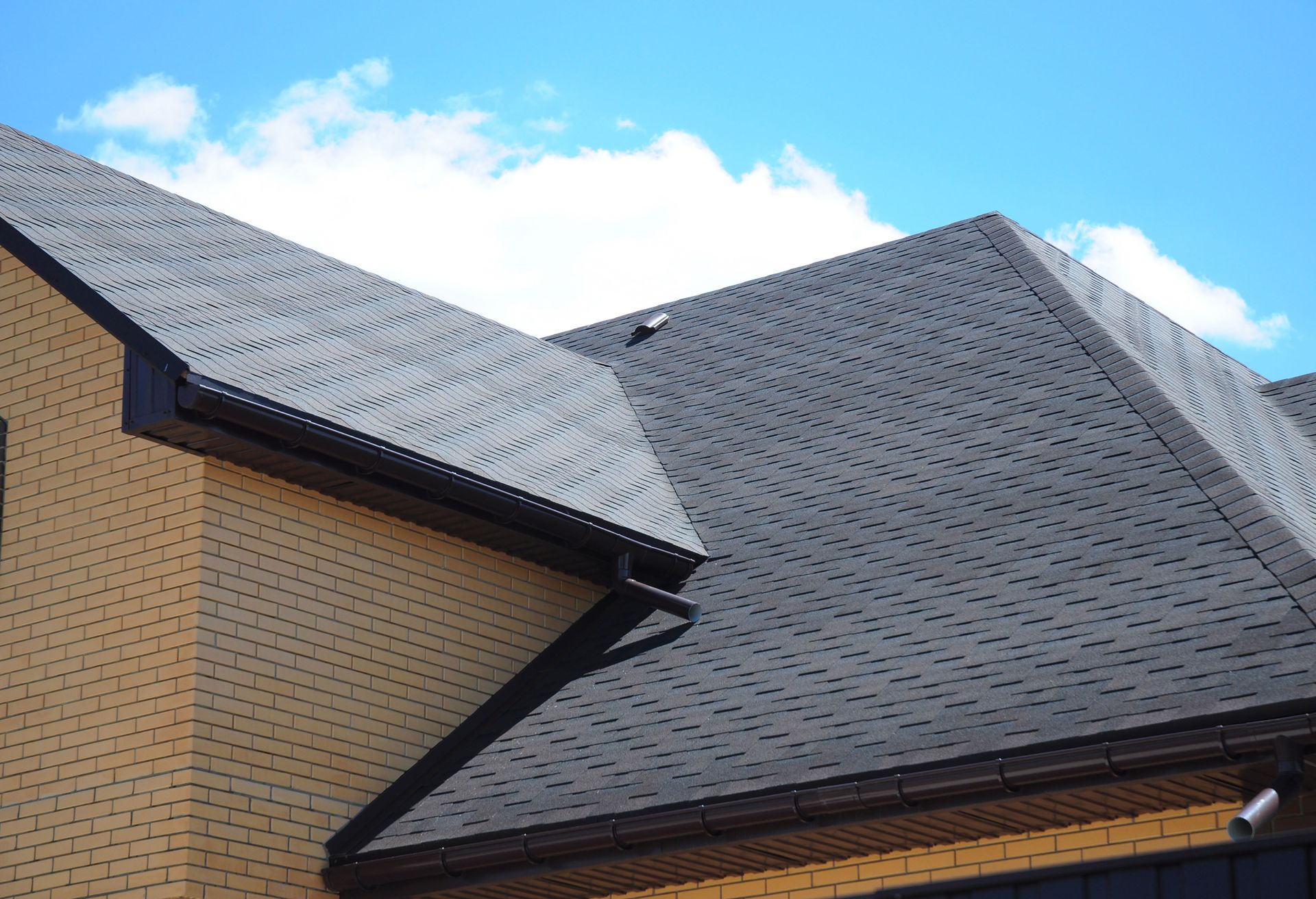
For example, asphalt shingles, metal roofing, and architectural shingles each offer distinct advantages depending on location and structural needs. Residential roofers evaluate factors such as roof pitch, attic ventilation, and expected weather patterns when recommending materials. This guidance helps homeowners avoid selecting products that may underperform or require excessive maintenance in their specific environment.
In addition to initial selection, professionals advise on material upgrades during repairs or replacements. Improved underlayments, enhanced flashing systems, or modern ventilation components can significantly improve long-term performance. By aligning material choices with structural and environmental realities, residential roofers support roofs that age more predictably and efficiently.
Ensuring Proper Ventilation and Moisture Control
Ventilation and moisture management are critical to roof performance, yet they are often overlooked by homeowners. Residential roofers assess attic airflow and ventilation balance to ensure that heat and moisture do not become trapped beneath the roof surface. Poor ventilation accelerates material breakdown and increases the risk of mold and condensation-related damage.
Proper ventilation regulates attic temperatures, reducing thermal stress on roofing materials. It also helps prevent ice dam formation in colder climates and limits excessive heat buildup in warmer regions. Residential roofers evaluate intake and exhaust systems to ensure balanced airflow that supports both roof and interior comfort.
Moisture control extends beyond ventilation. Professionals inspect flashing, seals, and transitions where water intrusion is most likely. By maintaining these protective elements, residential roofers help roofs resist water damage even during severe weather events. Consistent moisture management is one of the most effective strategies for preserving roof structure and performance over time.
Supporting Long-Term Planning and Roof Replacement Timing
Every roof has a finite lifespan, but proactive planning helps homeowners maximize value and avoid sudden disruptions. Residential roofers provide long-term guidance that helps homeowners anticipate future needs rather than reacting to emergencies. Through inspection histories and performance assessments, professionals offer realistic timelines for maintenance, repairs, and eventual replacement.
This planning approach allows homeowners to budget responsibly and schedule work at convenient times. Rather than waiting for a failure that causes interior damage, homeowners can plan replacements when materials are near the end of their functional life. Residential roofers also advise on phased upgrades that extend usability while preparing for future replacement.
Long-term planning supports overall property maintenance strategies. A well-maintained roof protects other systems, including siding, insulation, and interior finishes. By working with residential roofers over time, homeowners benefit from continuity of care that aligns roof performance with broader home maintenance goals. Call Jeff’s Roofing, Inc today to schedule your residential roofing service.