November 9, 2026
Undertaking a major home renovation like replacing a roof represents a substantial investment that protects your property from harsh weather conditions. While property owners often concentrate on comparing bottom-line prices, an installation involves intricate logistical planning, precise structural evaluations, and dedicated craftsmanship. Experienced roofing companies often note that well-prepared clients experience far fewer surprises, smoother construction schedules, and superior results. By recognizing what contractors need before work begins, you can safeguard your home, avoid budget overruns, and build a productive partnership with your crew.
Select the Right Roofing Materials
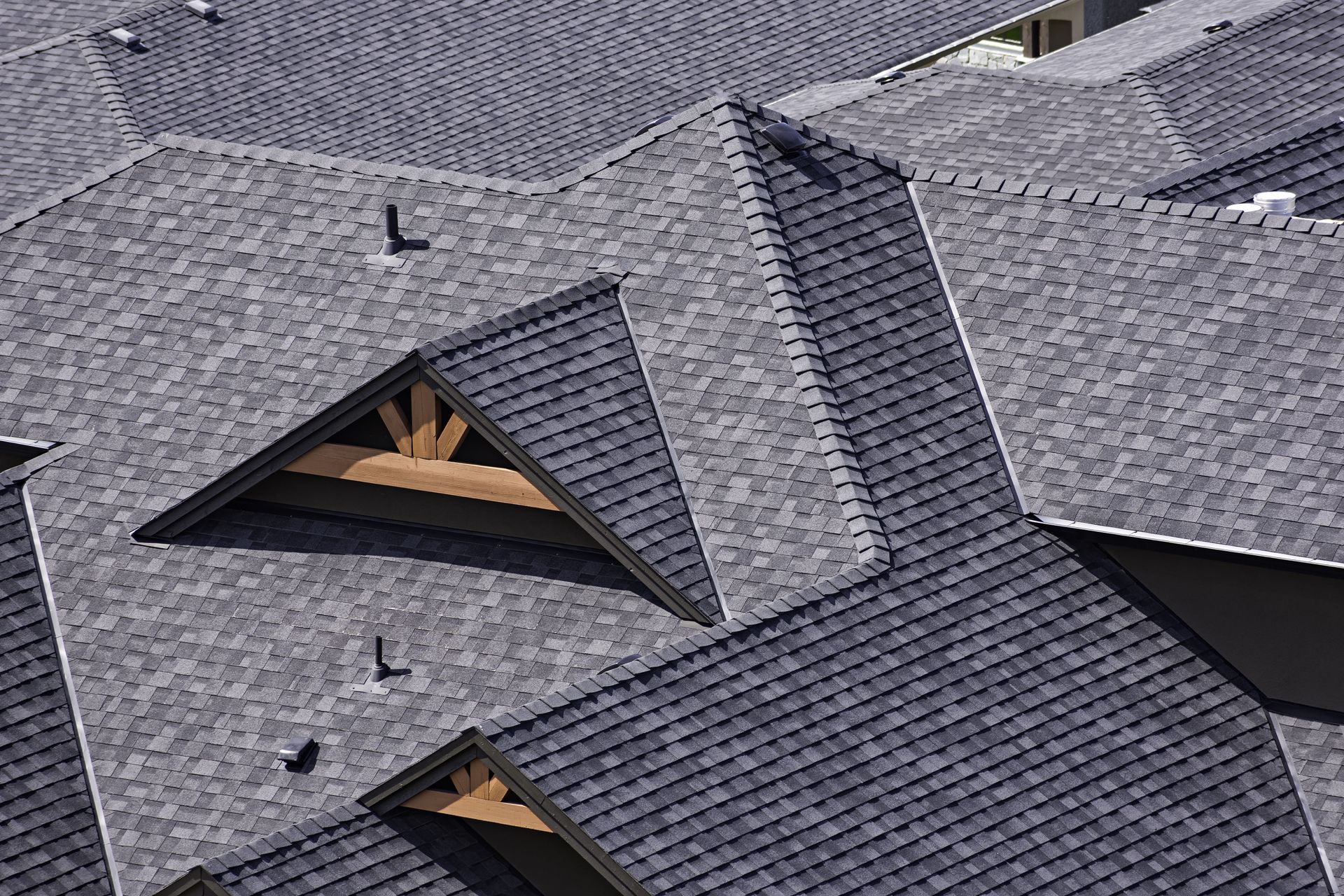
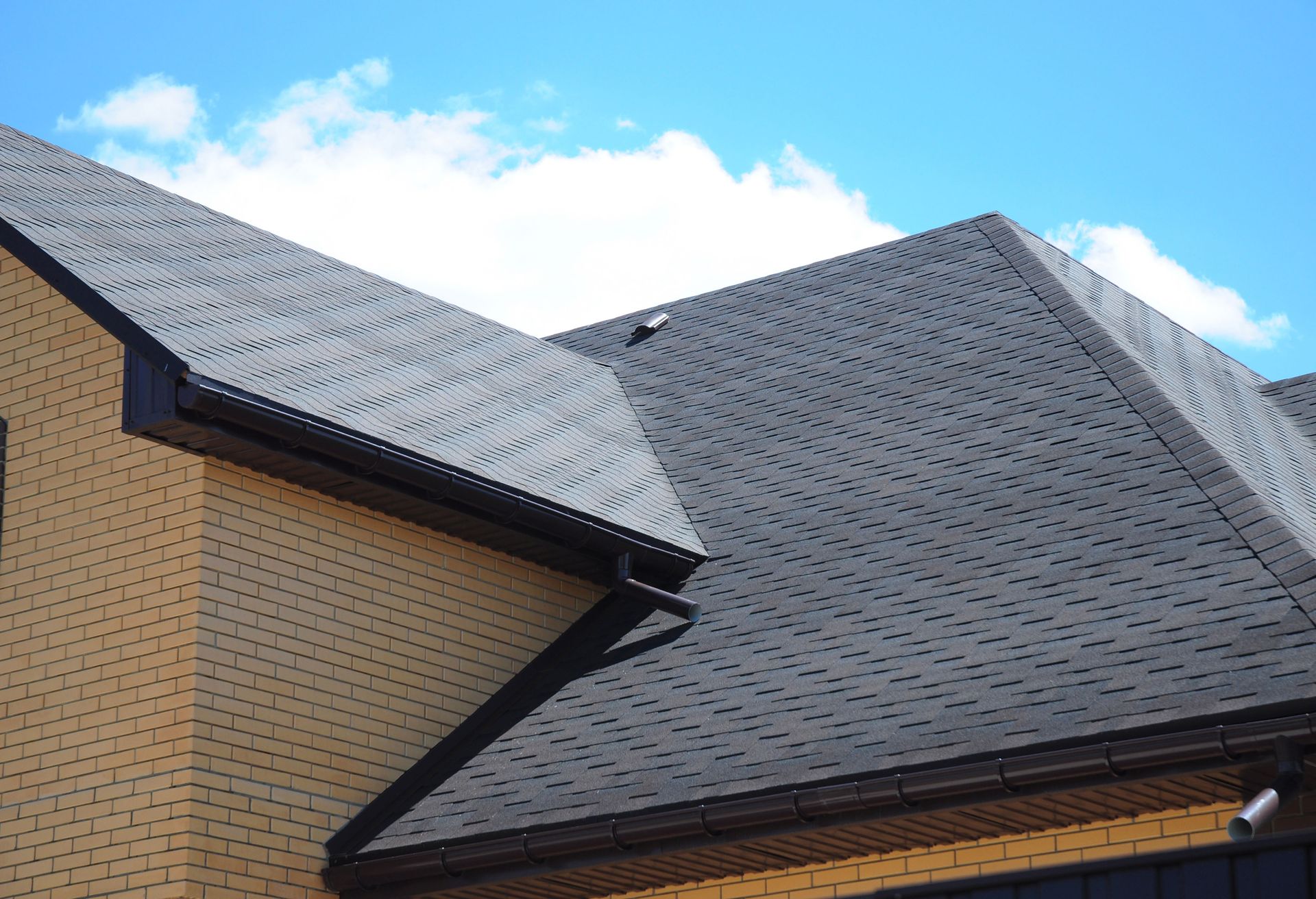
Choosing the right covering for your home requires balancing architectural style, regional climate demands, and structural durability. Asphalt shingles remain an extremely popular option because they provide a practical balance between upfront affordability and straightforward installation. According to Forbes, standard residential roofing shingles generally endure for roughly 30 years before requiring full replacement. Property owners seeking greater longevity frequently explore heavy-duty alternatives such as standing seam metal, natural slate, or composite tiles. Metal systems withstand extreme windstorms and reflect solar heat effectively, while clay and concrete tiles deliver remarkable longevity provided the framing can bear their substantial weight. Knowledgeable roofing companies help clients evaluate these architectural factors to select the ideal option for their structural needs.
Material selection also influences recurring maintenance obligations and household energy efficiency. Modern cool-roof technologies incorporate reflective granules that minimize heat absorption, lowering the demand placed on cooling systems during sweltering summer months. Sustainable options, such as panels produced from recycled metal, divert refuse from landfills while offering exceptional defense against storm damage and hail. Every material demands routine preventative care to achieve its full potential. Shingle installations require periodic cleanings to eliminate moss, mold, and trapped debris, whereas metal assemblies require occasional fastener checks to preserve protective weather seals.
Review Detailed Project Estimates Carefully
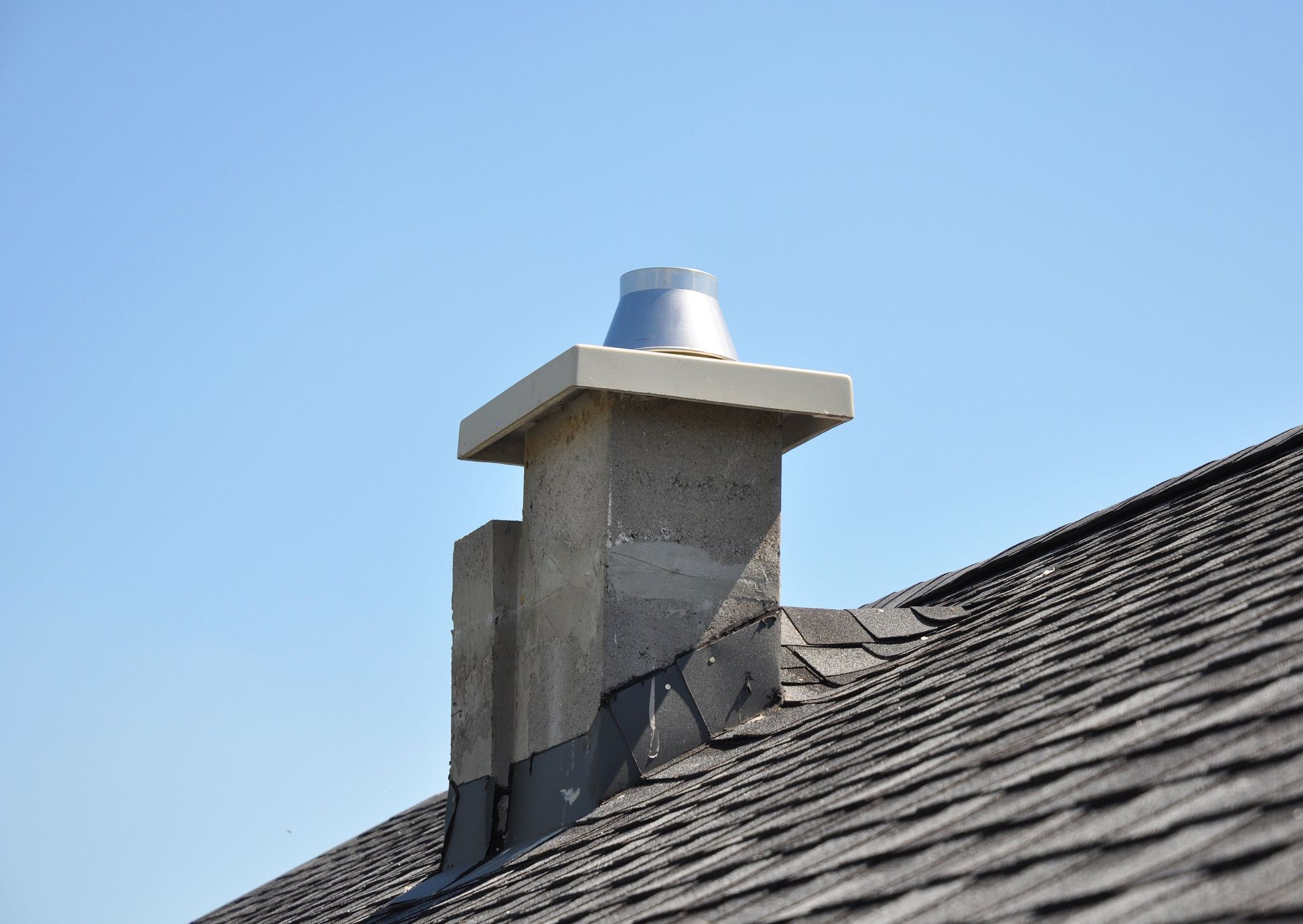
A comprehensive roofing proposal involves far more than measuring square footage and selecting shingle colors. Accurate bids reflect the steepness of the pitch, the number of existing layers to strip away, chimney flashing needs, and attic ventilation. Trustworthy roofing companies conduct thorough physical inspections of the roof surface and attic space before finalizing their proposals. Superficial evaluations cannot detect rotted decking, compromised rafters, or hidden moisture intrusion beneath older materials. When contractors examine your structure thoroughly beforehand, they can incorporate necessary repairs into the initial scope rather than issuing unexpected change orders mid-project.
Transparent quotes feature itemized line items specifying labor, underlayments, ice and water shielding, metal drip edges, waste haul-away, and municipal permit fees. When evaluating competing proposals, focusing exclusively on the final price tag can lead to costly compromises. Low bids often omit essential flashing replacements, rely on low-grade underlayments, or skip critical perimeter sealing. Homeowners should also maintain a modest contingency reserve within their overall budget to handle rotted decking discovered during tear-off work. Establishing a clear process for handling unexpected wood repairs ensures billing remains predictable and fair.
Verify Contractor Credentials and Local Permits
Securing required building permits represents a critical legal protection that guarantees work adheres strictly to regional building codes and municipal safety standards. Established roofing companies handle the entire application process on behalf of their clients, managing paperwork, submitting structural specifications, and scheduling mandatory city inspections. Performing roof replacements without legitimate permits can prompt municipal stop-work notices, expensive fines, and title complications when selling your property down the road. Building codes dictate crucial structural minimums, including wind resistance standards, underlayment coverage, ventilation ratios, and fire ratings. Ensuring legal compliance protects your property while preserving its market value.
Verifying that your chosen contractor carries valid business licensing alongside general liability and workers' compensation insurance is equally critical. If an uninsured worker suffers an accidental injury on your property, you could face devastating legal and financial liabilities. Homeowners must also distinguish between manufacturer material warranties and contractor workmanship coverage. Manufacturer warranties protect against premature product degradation, while workmanship warranties protect against improper installation practices. Reliable contractors clearly document both guarantees in writing, clarifying coverage duration, required homeowner upkeep, and the exact process for resolving future warranty claims without delay.
Set Realistic Expectations for the Timeline
Developing an accurate construction timeline requires patience because exterior renovations depend heavily on regional weather conditions. Professional roofing companies monitor forecasts continuously, as heavy rain, gusty winds, and freezing temperatures pose severe safety risks while threatening exposed building materials. Tearing away old shingles during wet weather invites catastrophic water damage into interior ceilings and insulation. Supply chain disruptions, custom material orders, and seasonal demand peaks can also impact scheduled start dates. Recognizing that weather delays prioritize worker safety and roof integrity helps homeowners adapt to schedule adjustments calmly.
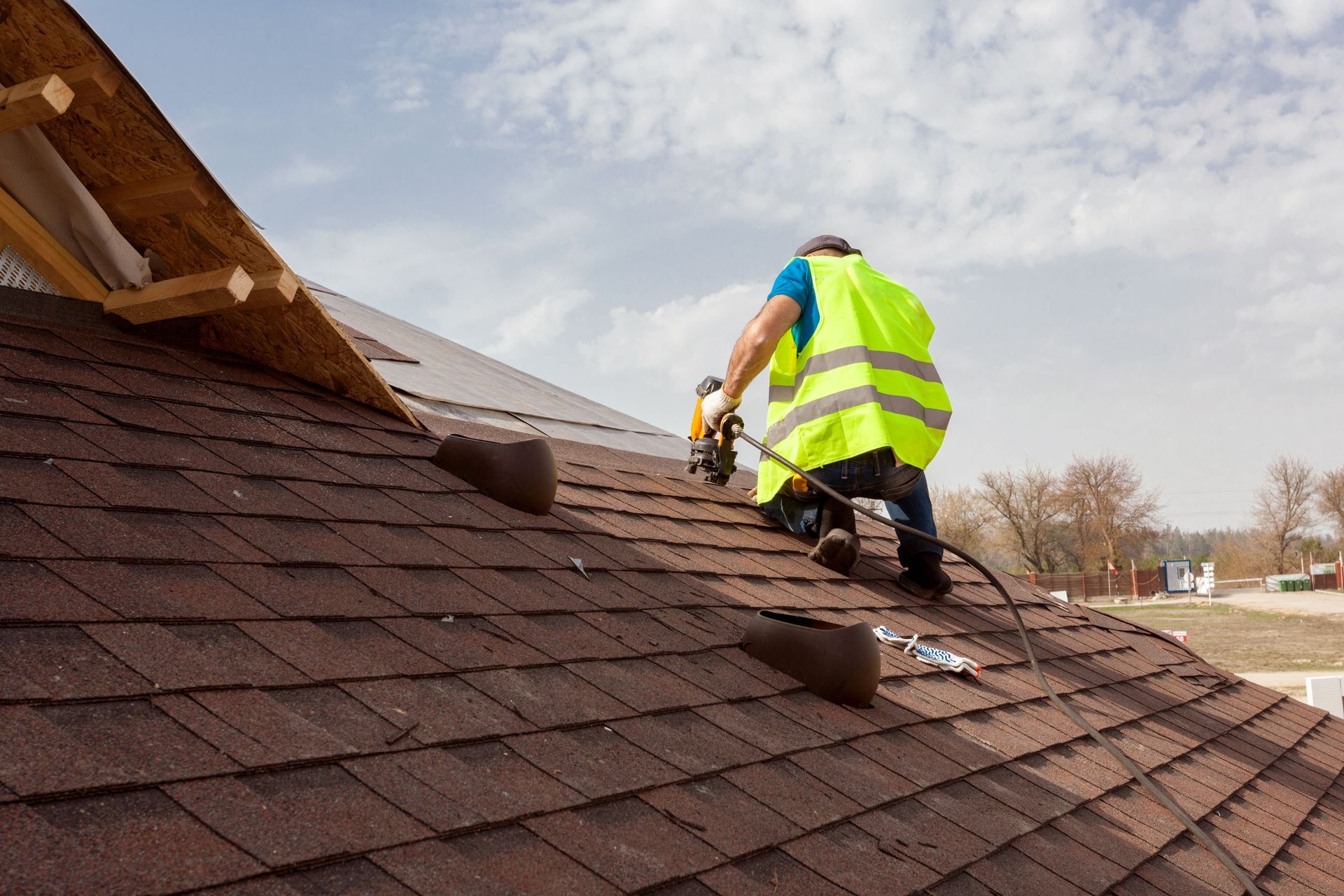
A typical residential tear-off and installation concludes within several productive workdays, although uncovering hidden structural rot can extend the schedule. Dependable contractors keep projects on track by communicating milestones as each phase finishes, from initial demolition through underlayment installation to final shingle fastening. Once construction concludes, crews invest focused time into cleaning the grounds, gathering stray fasteners, and performing comprehensive quality reviews. Understanding the progression of each stage allows you to arrange your daily household routine comfortably while keeping daily household interruptions to an absolute minimum.
Maintain Clear Communication Throughout the Process
A smooth roofing experience depends on active, transparent communication between the client and the onsite project manager. Reputable roofing companies appoint a designated contact person before work commences, giving homeowners direct access to someone who can address questions, provide schedule updates, and resolve emerging challenges. Establishing preferred communication channels, whether through daily text messages, morning phone calls, or afternoon meetings, creates absolute clarity. Homeowners should always ask questions regarding unfamiliar construction techniques, daily staging plans, or potential schedule shifts, as open discussions prevent small uncertainties from evolving into costly misunderstandings.
Productive working relationships thrive when both parties share clear expectations, mutual trust, and timely responsiveness. If hidden framing defects or flashing challenges emerge during the tear-off, contractors must document their findings and explain corrective options clearly. Homeowners should voice aesthetic preferences or structural questions promptly so crews can make necessary adjustments before proceeding to subsequent steps. Completing a comprehensive final walkthrough together ensures every deliverable aligns with contractual expectations, establishing a strong professional partnership that supports reliable warranty service for your home throughout future seasons.
Prepare Your Property for Active Construction
Property owners can safeguard their property by completing key exterior preparations before heavy machinery and installation crews arrive. Roofing projects require ample staging room for delivery vehicles, heavy dumpsters, work trailers, and bundles of materials. Removing vehicles from driveways, storing patio furniture, putting away outdoor toys, and flagging hidden sprinkler heads prevents accidental damage during daily operations. Placing durable protective tarps over prized landscaping, delicate flower beds, and exterior air conditioning units defends them from falling shingles and nails. Taking these proactive outdoor steps creates a secure, efficient workspace that allows crews to focus completely on installation quality.
Preparing your interior living spaces is equally important, as hammering and constant roof traffic generate considerable vibrations across framing and ceilings. Taking down framed artwork, mirrors, and delicate decorations from walls and upper-level shelves prevents items from falling and breaking. Dust can also sift through attic spaces, making plastic sheeting a practical defense for stored family possessions. Constant construction noise can disturb remote workers and frighten pets, making temporary daytime arrangements beneficial. Thoughtful interior preparation reduces disruption and ensures your household remains safe and comfortable throughout the renovation.
Replacing a residential roof is a major structural investment that requires thoughtful preparation, quality materials, and transparent collaboration. Preparing your property and choosing credentialed roofing companies guarantees a durable roof that protects your home for decades to come. Contact our team at Jeff's Roofing today to schedule your consultation, and let us protect your home with dependable craftsmanship.